








Healthy nutrition
Which food strengthens our dental health?
When we think of healthy eating, most of us probably have the goal of supporting our cardiovascular system, avoiding being overweight or underweight and strengthening our gut. But did you know that a healthy diet can also help to keep our teeth and gums healthy? By making the right food choices, for example, you can reduce your risk of gingivitis and periodontitis or provide your teeth with calcium and phosphate in a targeted manner - which strengthens tooth enamel. And you can also keep caries bacteria at bay very effectively with the right diet.
Let's take a look together at how all this works, which foods your teeth love - and which you'd be better off staying away from.
These foods are good for gums and teeth
We all know what is permanently damaging to our teeth: sugar and acids. You'll find out more about this later. But which foods are good for them? Here you will find an overview of tooth-friendly foods that you can enjoy without worrying:
Foods containing calcium
Did you know that almost 100 per cent of the calcium in our body is contained in bones and teeth? There is a reason for this: calcium builds bones and teeth and keeps them stable. It is therefore important that we supply our body with calcium accordingly. This works wonderfully with certain foods. These include milk and dairy products such as cheese and yoghurt:
- Green vegetables such as broccoli, kale and rocket
- Mineral water
- some nuts such as hazelnuts and Brazil nuts
- Phosphorus-containing foods
Speaking of calcium, we need the mineral phosphorus to be able to absorb it in our bodies and thus strengthen our bones and teeth. It is found in meat, fish, eggs, milk, wholemeal products and protein-rich foods, for example. When you eat these foods, you are therefore always consuming a portion of phosphorus.
Fluoride-containing foods
Fluoride protects against tooth decay and strengthens tooth enamel. With fluoride toothpastes, we can achieve a localised protective effect directly at the site of action - i.e. the tooth. However, we can also strengthen our body from the outside. We can do this with the following foods:
- Iodised table salt
- Sea fish (sardines)
- Black tea
- Cereals
- Meat
- Mineral and drinking water
Good to know: With , you provide your teeth with optimum fluoride and thus protect them against tooth decay. Three natural enzymes additionally stimulate saliva production, which is also essential for protection against tooth decay.
Wholemeal
Fancy a natural "toothbrush"? Then try wholemeal products more often! The rough surface of coarsely ground grains actually has a toothbrush effect. As you chew, the healthy grains automatically remove soft plaque from your teeth. Speaking of chewing: Wholemeal clearly requires more effort from our jaws than white flour products. And this intensive chewing ensures a greater flow of saliva, which in turn helps to clean our teeth. Our saliva also has a protective effect: it can reduce our risk of tooth decay by neutralising harmful acids in our mouth.
Good to know: Of course, we should brush our teeth even after the healthiest meals. But of course we don't always have a toothbrush to hand. is a tooth-healthy alternative for on the go. It reliably removes plaque from the teeth and also provides gentle whitening.

Which vitamins benefit our teeth?
Vitamins are good for the whole body, but some of them are especially good for our teeth and gums. Here you can find out which ones they are and what they are made of:
Vitamin A
This vitamin helps us to have healthy oral mucosa. It is found, for example, in orange-coloured fruit and vegetables such as pumpkin, carrots and peppers, as well as spinach and tomatoes.
Vitamin C
We all know vitamin C as an immune system booster. And this also indirectly helps us to maintain good oral health. Because if we are better able to fight off bacteria, gum disease is less likely to develop. At the same time, vitamin C is a building block of the dentin. It strengthens collagen formation in the gums. You can consume vitamin C by including citrus fruits, peppers, redcurrants, potatoes, spinach or parsley in your diet, for example.

These foods are harmful to our teeth
It's actually relatively simple: foods that are not good for our overall health are generally also bad for our teeth. Products that contain short-chain, fermentable carbohydrates such as sugar are at the forefront of this. We all know that sugar is one of the biggest enemies of our dental health. Here is an overview of foods that you should avoid or only rarely include in your diet.
Pasta and sweets
All the treats at the bakery or in the confectionery section of the supermarket look incredibly tempting. But they contain carbohydrates - starch and sugar to be precise - which are really bad for our teeth. Unfortunately, this also includes everyday foods such as bread and pasta. Do you want to give them up completely? That's probably difficult for most of us! But if you reach for the wholemeal varieties more often, you can do a lot for your teeth and gums. As you've already read above, chewing more intensively with these products helps to stimulate your saliva flow, which has a very positive effect on your tooth enamel and keeps caries bacteria at bay. And when you get a sweet tooth? Then you may not always be able to hold out, as everyone will understand. But then it's better not to indulge your "sweet tooth" all day long, but to reach for your favourite chocolate just once a day and enjoy a big bite. This way, there is only a one-off contact between the sugar and your teeth and not a permanent one.
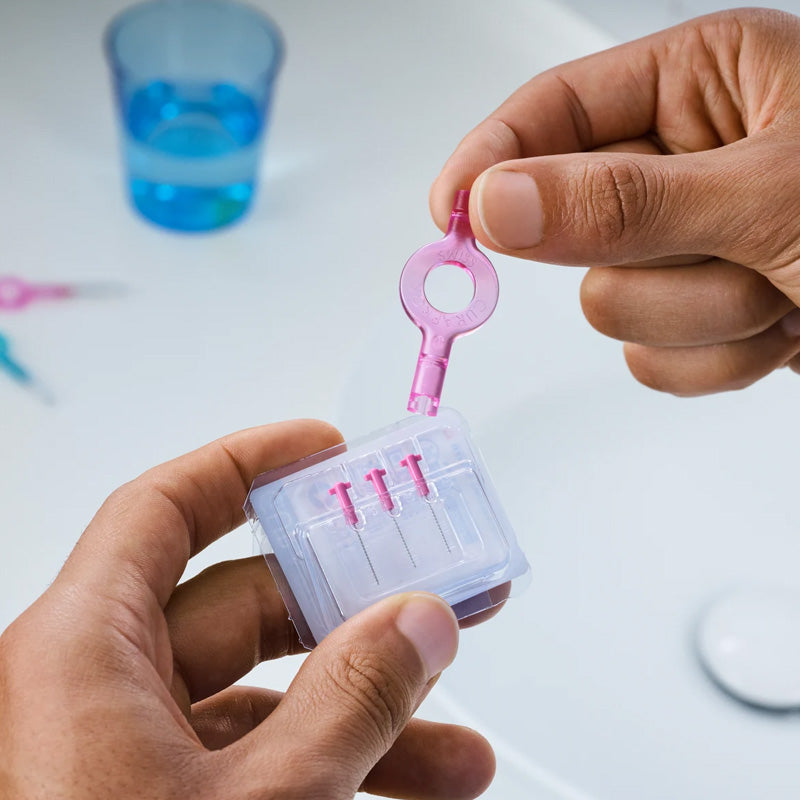
Good to know: Not only do crisps and the like stick wonderfully firmly to our chewing surfaces - they also cheat their way unnoticed into the spaces between our teeth. A place that is difficult to reach with a toothbrush. However, are ideal for keeping them clean. You should integrate them into your dental hygiene routine once a day to prevent tooth decay.
Sugary drinks
When it comes to drinks, the more colourful they are, the less healthy they are. Lemonades as well as orange and apple juices contain sugar and acids that are very harmful to our tooth enamel. Not so bad, you swallow them quickly? Unfortunately, this calculation doesn't add up. Every sip causes contact with the teeth and can, for example, gradually erode our enamel (tooth erosion). However, if you don't want to give up sodas and spritzers completely, you should at least not reach for them all the time in order to minimise tooth contact. It is better to have the sweet drink when there is a meal on the table anyway. If you want to make it even better, drink the soft drink from a straw - this protects the teeth a little more. For optimum dental health, however, it is advisable to avoid soda altogether and opt for water.

Tooth discolouration due to food?
Unfortunately, there are foods that taste delicious but leave unsightly marks on our teeth - namely by staining them yellow or greyish. Here are some of these culprits. You don't have to avoid them completely, but you should pay close attention to your oral hygiene after eating them.
- Cola (also Cola Light)
- Soya sauce
- Iced tea
- Curry spice
- Balsamic vinegar
- Saffron
- Blueberries
- White wine
- Rosehip tea
- Sour cherries
- Herbal teas
- Grape juice
Good to know: Did you know? An incorrect tooth brushing technique can also cause yellow teeth, because too much pressure can "scrub away" the enamel and the yellowish dentin then shines through. You can find out how to brush your teeth properly and what you need to bear in mind here:
Instructions: Brush your teeth properly
Can dental problems be remedied with home remedies?
What should you do if a poor diet has already caused damage to the oral cavity and led to gum inflammation, loss of tooth enamel or hypersensitivity? Then the clear motto is: off to the dentist! For all complaints relating to teeth and gums, you should seek medical advice first and not put it off for too long.

Conclusion: The right diet helps to achieve healthy teeth
Eating a healthy diet is not that difficult. Basically, it corresponds to the nutritional recommendations that apply to our general health. In other words: low sugar and carbohydrates, few convenience products and lots of vegetables! Only when it comes to fruit should people who pay particular attention to their teeth take a closer look. This is because fructose and acids damage the teeth. However, there is no need to avoid this healthy snack between meals. It's just that you should take dental hygiene particularly seriously. This means brushing your teeth sufficiently and using interdental brushes for the spaces between your teeth. Despite a healthy diet, it is often not possible to completely protect yourself from a more aesthetic problem: Tooth discolouration. Even the healthiest foods such as green tea, beetroot or spices can cause an unsightly yellow tinge. We explain how to get beautiful, white teeth here in our article: "What to do about yellow teeth?".
Sources
- German Federal Centre for Health Education: Zahngesunde Ernährung.
- Federal Institute for Risk Assessment (BfR): Use of undiluted tea tree oil as a cosmetic product.
- Federal Office for Agriculture and Food: New standardised recommendations: Protect teeth from birth with fluoride and Good dental health through a balanced diet.
- German Working Group for Dentistry Information Centre for Caries Prophylaxis: The 4 Pillars of Caries Prophylaxis, Strengthening Fluorides.
- DMZ Dentaprime EAD: Teeth and vitamins: These nutrients will make your teeth strong!
- Dr Konrad Miketta, dental practice: The vitamin ABC for your dental health.
- Dr Kraus Zahnärzte + Implantatklinik, Dr Kraus ZMVZ GmbH: Healthy dental nutrition.
- Gesundheit.GV.AT, Public Health Portal of Austria: Phosphorus and fluoride.
- informedhealthonline.org: How can I cover my calcium requirements?
- Initiative proDente e.V.: Healthy eating for teeth and body.
- National Association of Statutory Health Insurance Physicians: Dental protection for fluorides.
- NDR.de: Periodontitis: Healthy gums through natural nutrition.
- Rheinische Post: These 16 foods cause yellow teeth.
- SWR Television: Home remedy tea tree oil - beware of risks and side effects.
- Ökotest: Gingivitis: Home remedies and tips against inflamed gums and smoothies in the test: More than half contaminated with pesticides.
- Swiss Confederation: Fact sheet on vitamin D.
- Consumer advice centre: Too much sugar in fruit yoghurts.
- Zahnimplantat-Klinik Düsseldorf GmbH: Vitamins for the teeth.
- Zahnärztekammer Nordrhein: Zahngesunde Ernährung: Tipps für Kinder, Berufstätige und Senioren.
- All websites last accessed on 5.09.2024
Read more

Everything you need to know about cleaning your teeth the right way including why it’s so important for your oral health – and overall health – the best brushing techniques and how to choose the mo...

Breathing should actually be the most natural thing in the world. After all, our body does everything automatically. But does automatic necessarily mean right? Unfortunately not! Here you can find ...